

Quick answer
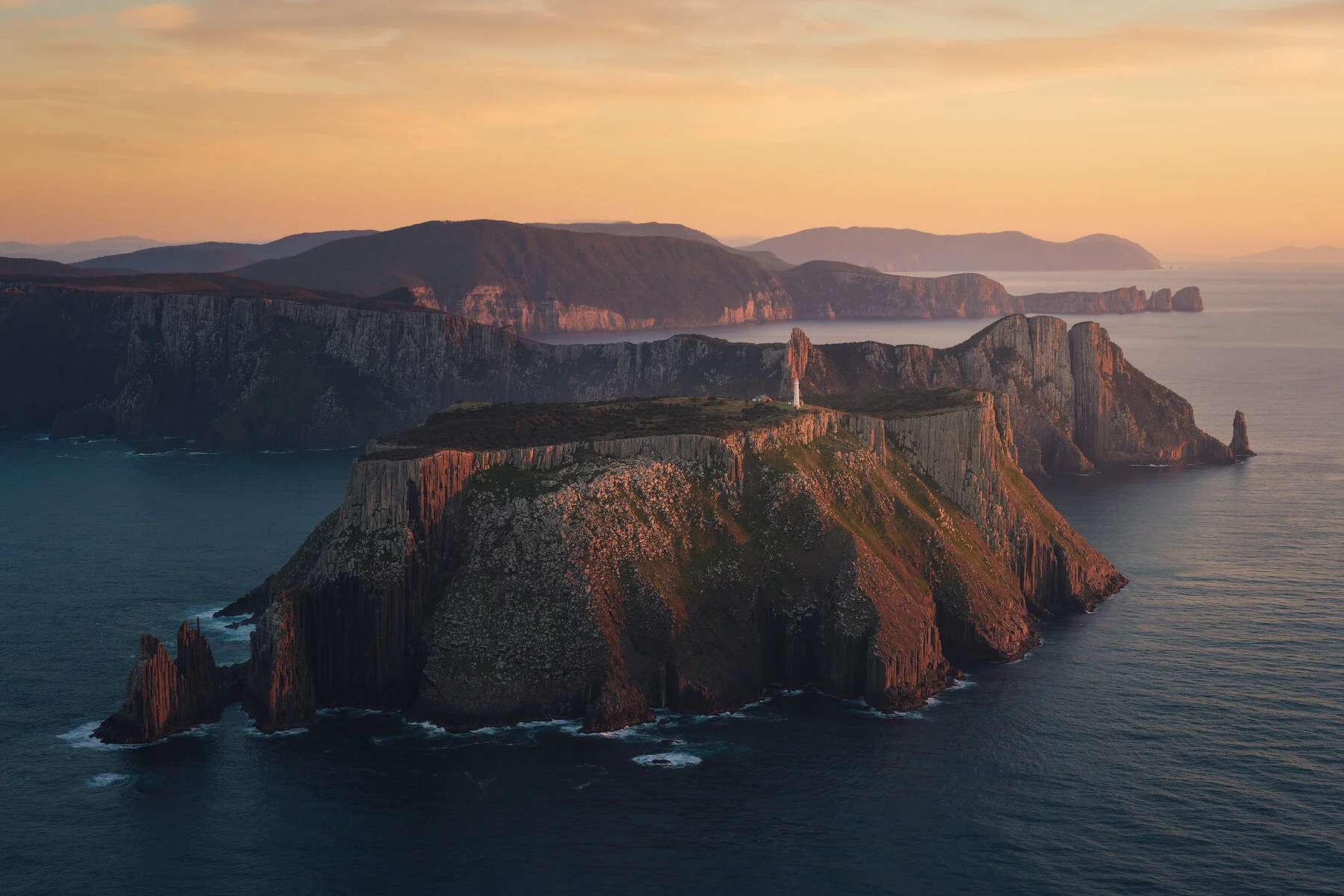
Activities around Tasman Peninsula span wilderness cruises past Tasman Island's 300-metre sea cliffs, coastal bushwalks through Tasman National Park, and wildlife encounters with seals, dolphins and seabirds. The island itself permits no public landing—it remains a protected nature reserve managed by Tasmania Parks and Wildlife Service—but the surrounding waters and mainland coastline offer year-round access to one of Australia's most biodiverse marine environments.
Tasman Island rises 250 metres from the Tasman Sea, its dolerite columns and natural arches carved by Southern Ocean swells over millennia. The lighthouse station, built in 1906 and automated in 1977, stands as the sole human structure on an island otherwise given over to short-tailed shearwaters, white-bellied sea eagles and Little Penguins that nest in clifftop burrows each spring. The peninsula's coastal margins reveal geology on a grand scale. Sheer cliffs at Cape Pillar, Tasman Arch and the Candlestick formations expose columnar dolerite laid down 180 million years ago, while sea caves and blowholes mark active erosion zones where storm swells exceed eight metres. Australian fur seal colonies occupy offshore rocks and surge channels year-round, their numbers peaking in December and January when pups are born. Bottlenose dolphins hunt cooperative baitballs along the continental shelf edge, often visible from cruise vessels that operate within the Tasman Island Marine Reserve. Walking tracks on the mainland peninsula range from short clifftop circuits at Waterfall Bay to the three-day Tasman Coastal Trail between Fortescue Bay and Cape Hauy. The track to Cape Hauy traverses coastal heath and eucalypt forest, delivering unobstructed views across to Tasman Island's western face and the Hippolyte Rocks seal colony. Spring wildflowers—native orchids, pink boronia, coastal wattle—bloom along exposed ridgelines between September and November. Historic sites add cultural layers to the natural canvas. The convict-built Eaglehawk Neck semaphore station and dog line remnants mark the peninsula's past as a prison landscape, when Port Arthur's convict population was confined by a narrow isthmus and patrolled coastline. Coal Mines Historic Site preserves Australia's first operational coal mine, worked by convict labour from 1833 to 1848, its sandstone ruins now integrated into a short interpretive walk near Saltwater River.
“Tasman Island's dolerite columns and natural arches, carved by Southern Ocean swells over millennia, form one of Tasmania's most dramatic offshore landscapes.”
Entrance Fees and Access Logistics for Tasman Peninsula Things to Do
Tasman Island is a nature reserve with no public landing access permitted, meaning there are no entrance fees for the island itself. Visitors typically view the island via third-party boat tours or from coastal lookouts.
The island has no entry cost, and total expenses depend entirely on the specific third-party cruise or transport operator chosen.
Getting to Tasman Island: Tasman Peninsula Things to Do
Tasman Island is located within Tasman National Park and is inaccessible by foot. Visitors must first travel to the Tasman Peninsula by road and then join a boat tour to view the island from the water.
A9 highway from Hobart to the Tasman Peninsula
Guided cruise departures from Port Arthur
Coastal lookouts in Tasman National Park
Key Sights to See During Tasman Peninsula Things to Do
Tasman Island is defined by its vertical dolerite columns and remote maritime structures, accessible only via water-based observation. These features remain protected within the Tasman National Park.
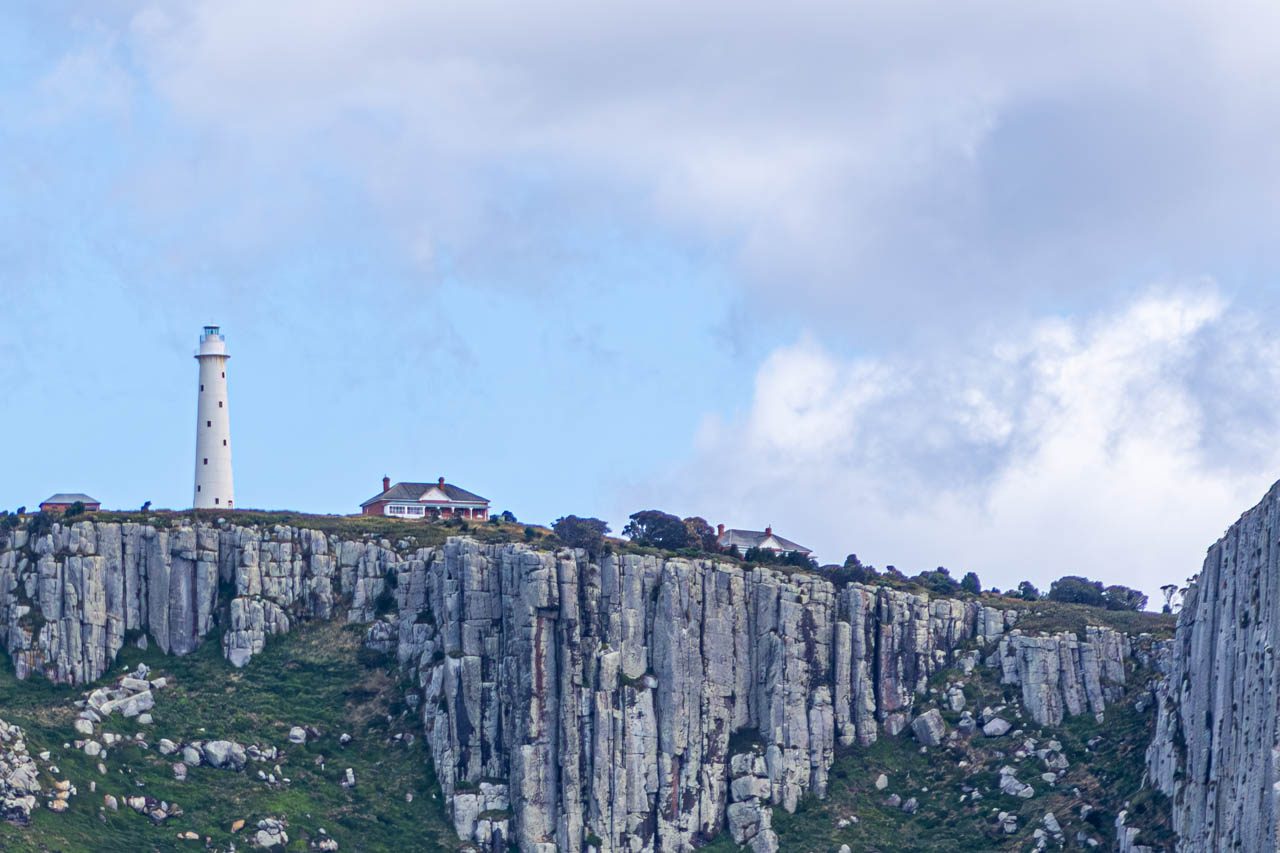
Tasman Island Lighthouse
This historic structure stands at the summit of the island, serving as a landmark for vessels navigating the southern coastline.
View from a cruise vessel to capture the lighthouse silhouette.
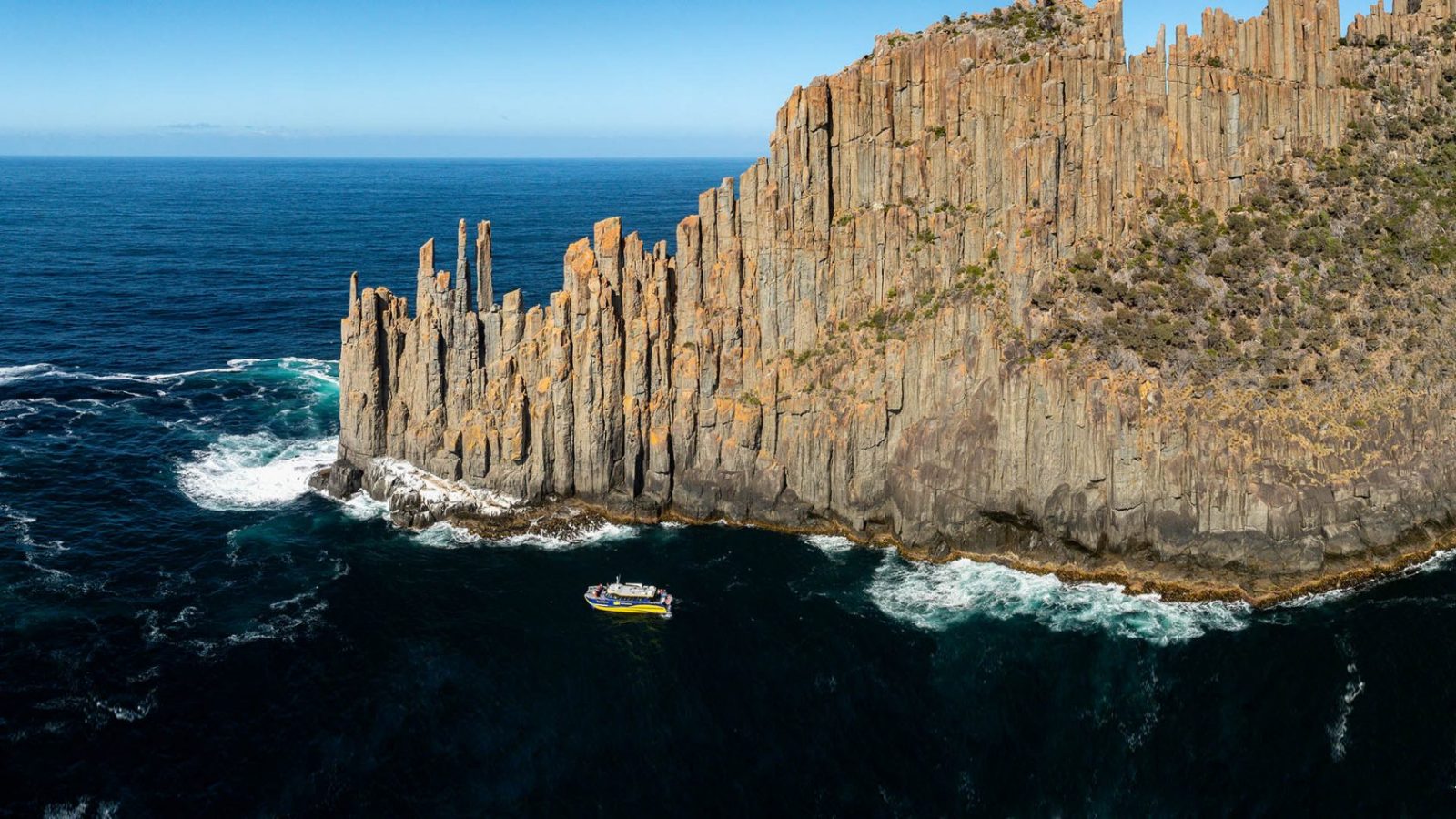
Dolerite Cliffs
The island features dramatic, sheer cliffs that drop hundreds of meters directly into the Southern Ocean.
Observe the cliff faces from the water to see geological layering.
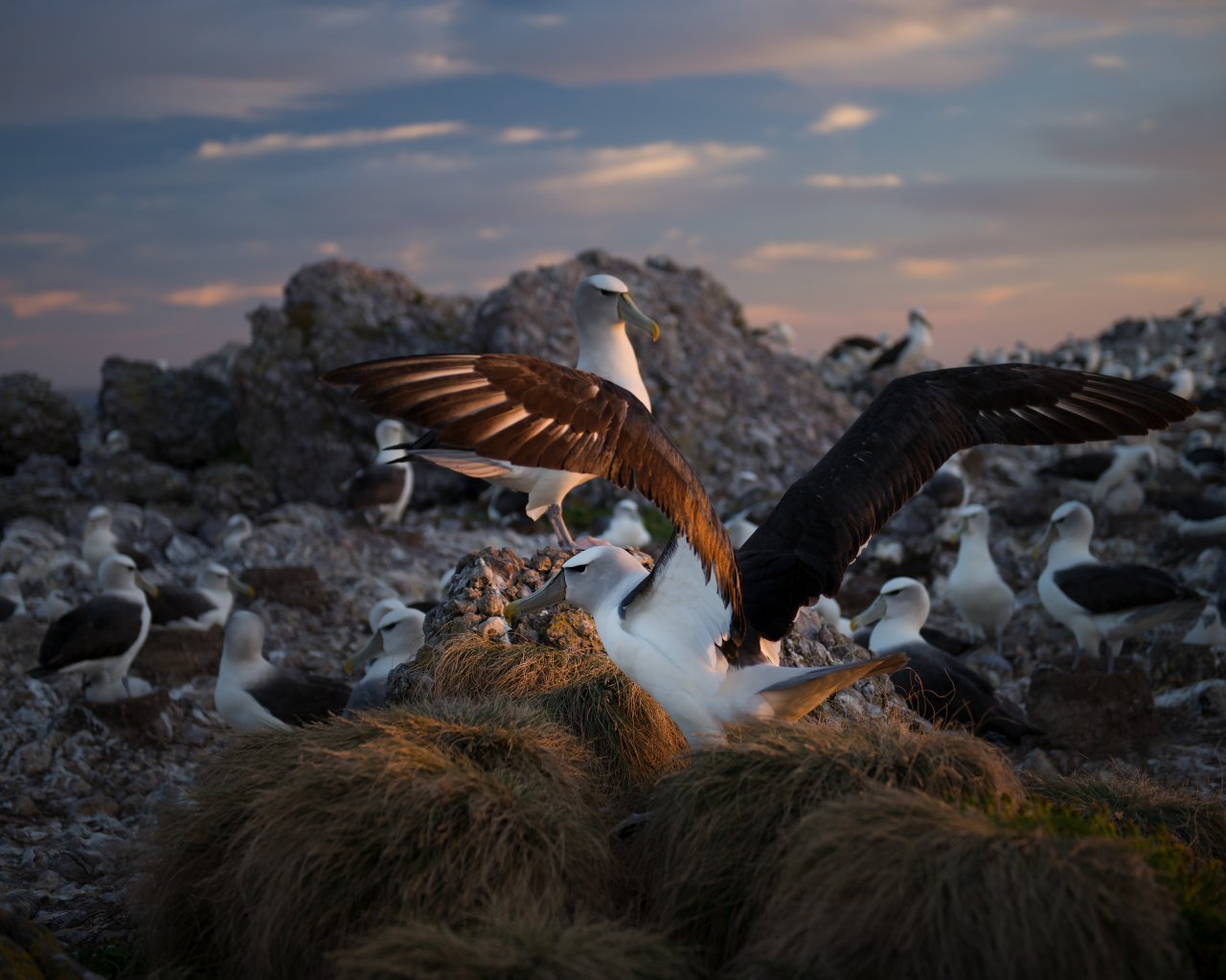
Nature Reserve
As a dedicated nature reserve, the island serves as a significant habitat for seabird colonies.
Use binoculars from the water to spot nesting bird populations.
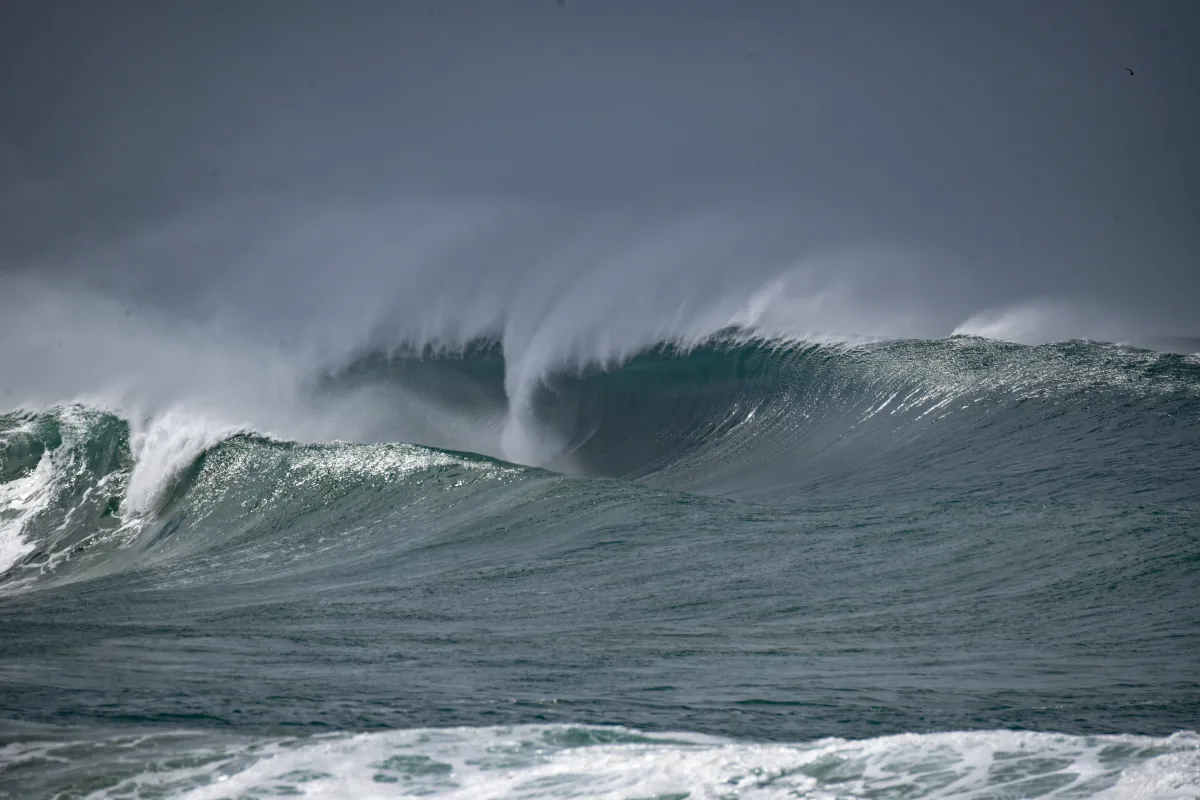
Southern Ocean Surroundings
The waters surrounding the island are known for their deep-sea swells and exposure to open ocean conditions.
Position yourself on the leeward side of the vessel for stability.
Nearby Attractions for Your Tasman Peninsula Things to Do Itinerary
Extend your time on the Tasman Peninsula by exploring coastal geological features and trails located within the wider Tasman National Park. These locations offer land-based perspectives that complement the maritime views experienced during a cruise.
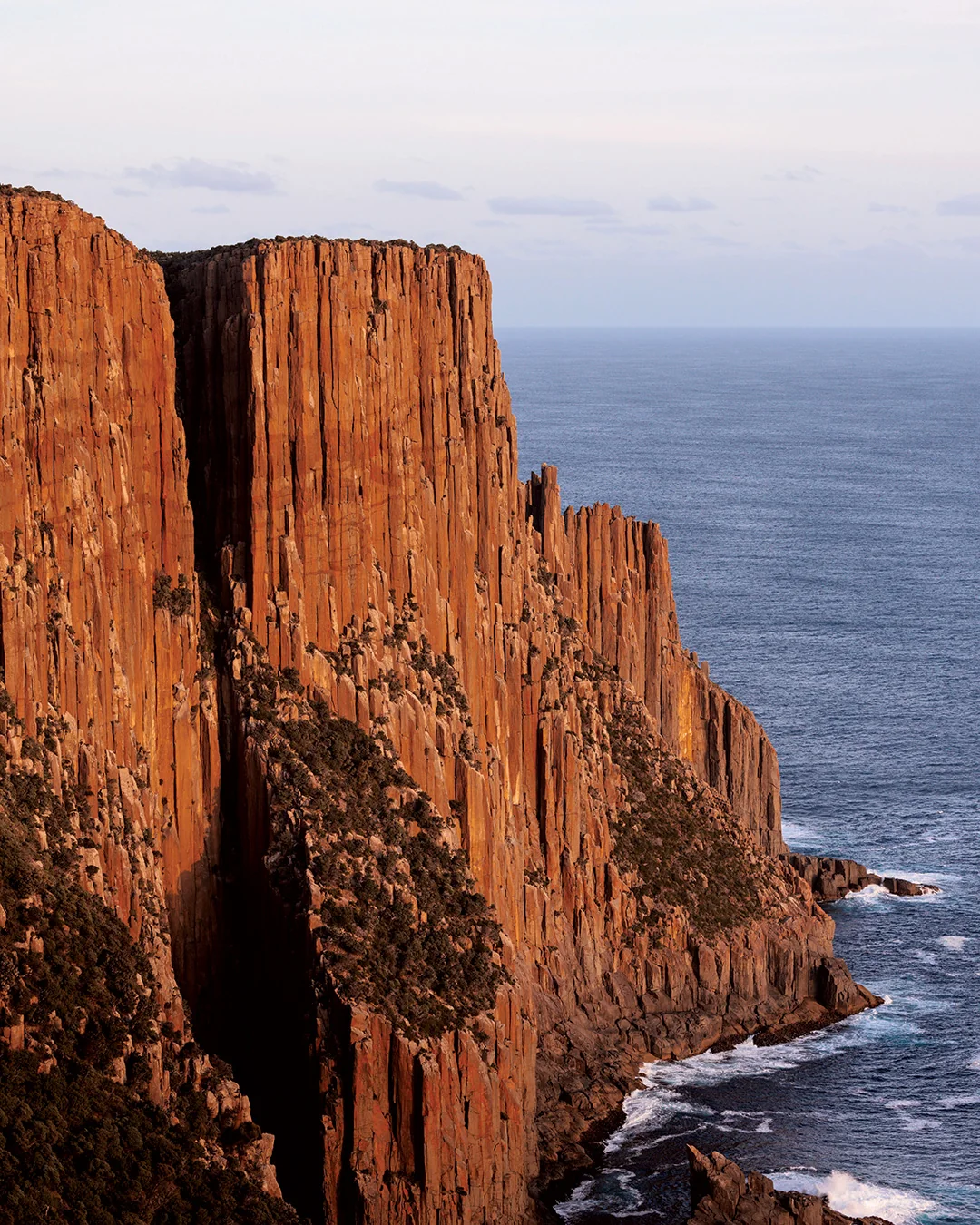
Cape Raoul State Reserve
This area features high dolerite cliffs and walking tracks that provide elevated views of the coastline consistent with the scenery found near Tasman Island.
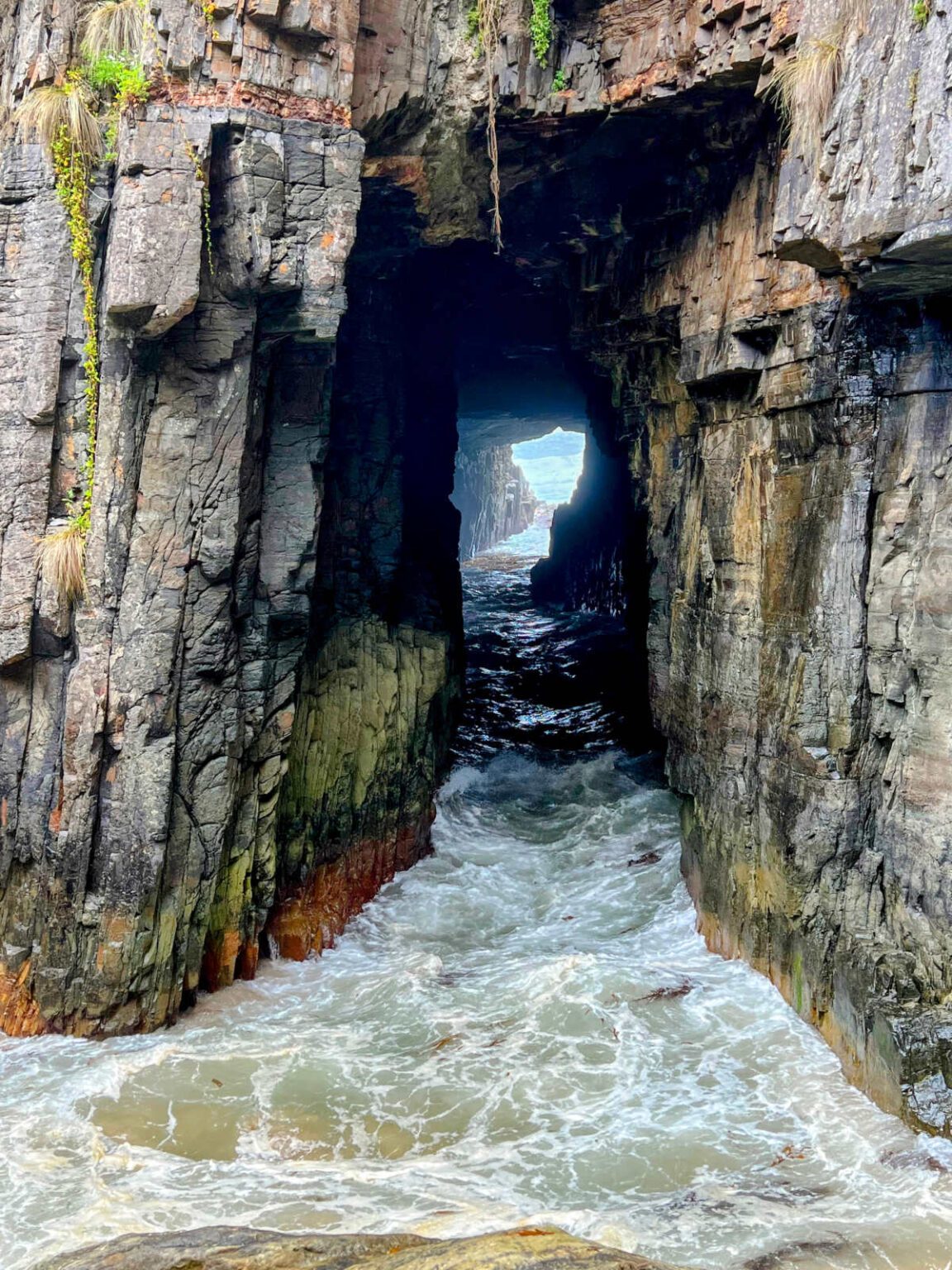
Remarkable Cave
Located near Port Arthur, this sea cave allows visitors to observe the power of the Southern Ocean against the rock, matching the rugged maritime theme of the region.
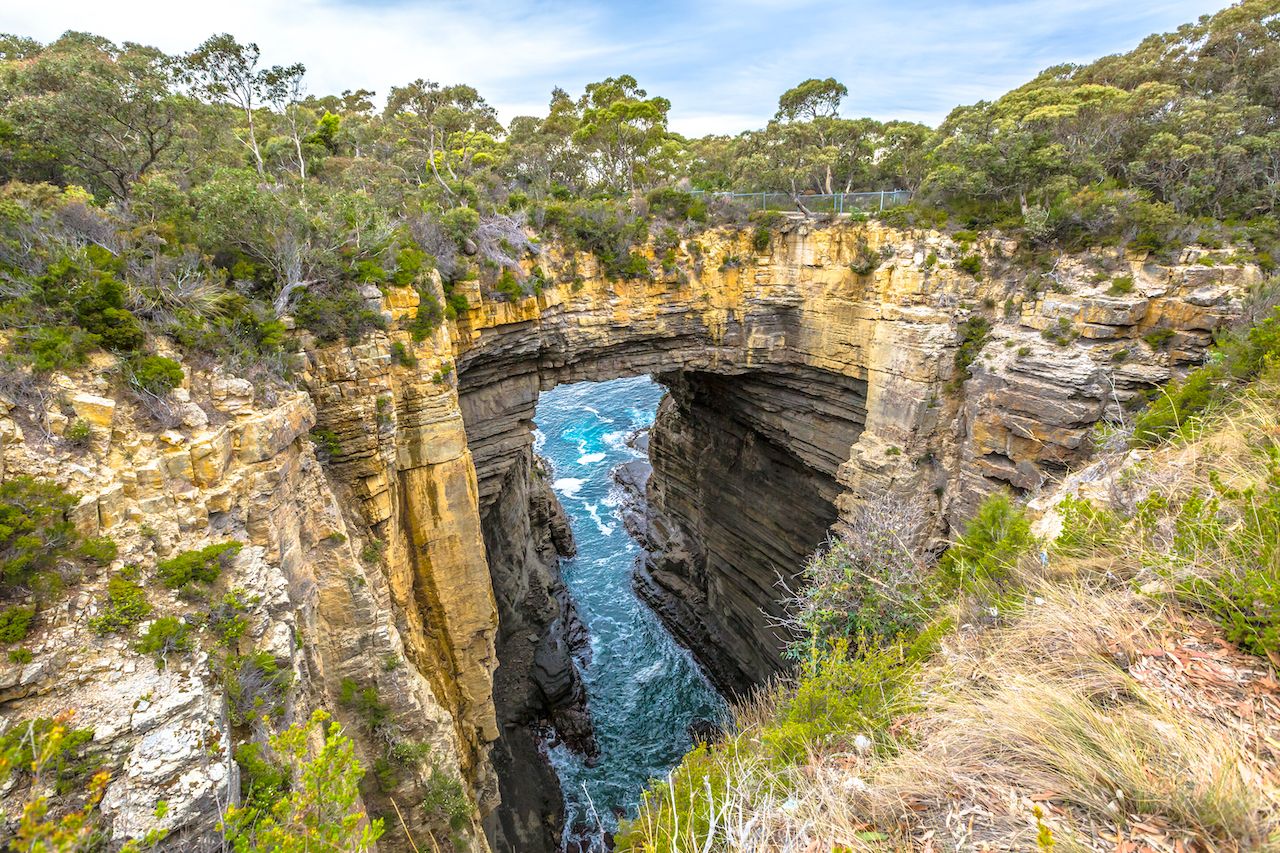
Tasman Arch and Devil's Kitchen
These natural rock formations are situated along the coastline and provide accessible walking paths to observe the same dramatic geology visible from the water.
Check availability
Frequently Asked Questions About Tasman Peninsula Things to Do
Everything you need to know about tasman peninsula things to do